The Reality: 1 in 3 patients experience a central line error

Manikins aren’t preparing clinicians for real patients.

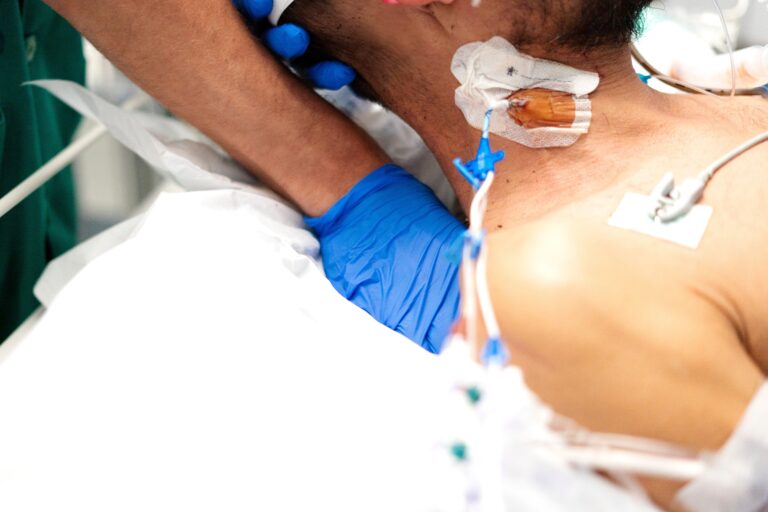
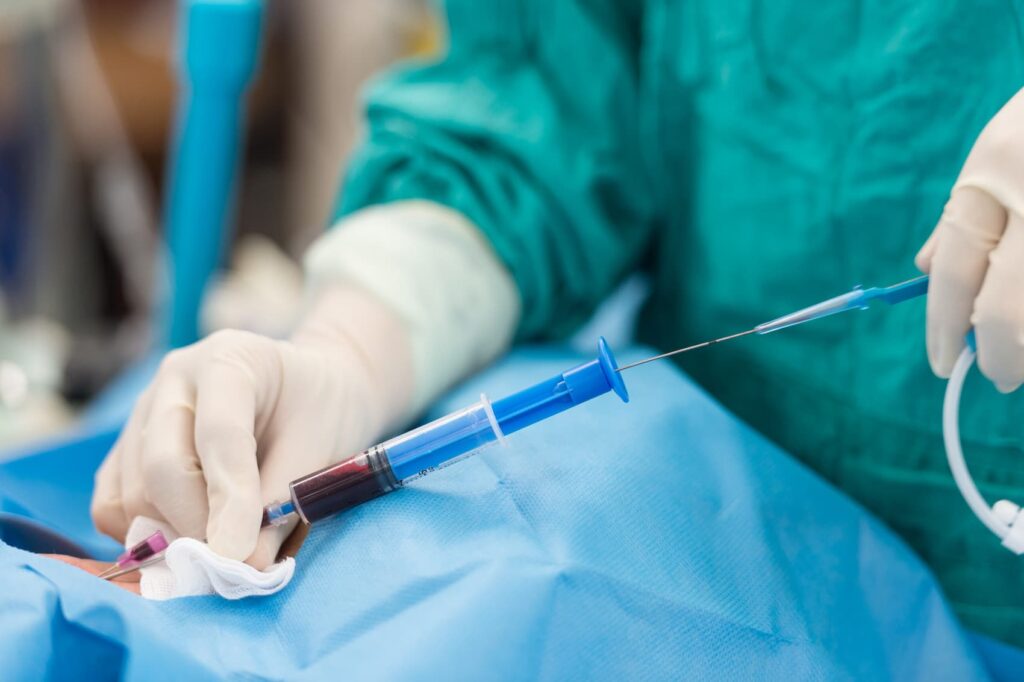
Every year, hundreds of thousands of patients suffer complications during central line placement—not because technology fails, but because training models don’t resemble real people.

Clinicians move from rigid, uniform models to vulnerable patients with unique anatomy, without practicing for life-altering complications.

Preventable errors cost $2–4M per incident, risking patient safety and hospital reputation.

Whats wrong with current CVC training methods?

Stop Learning on Patients

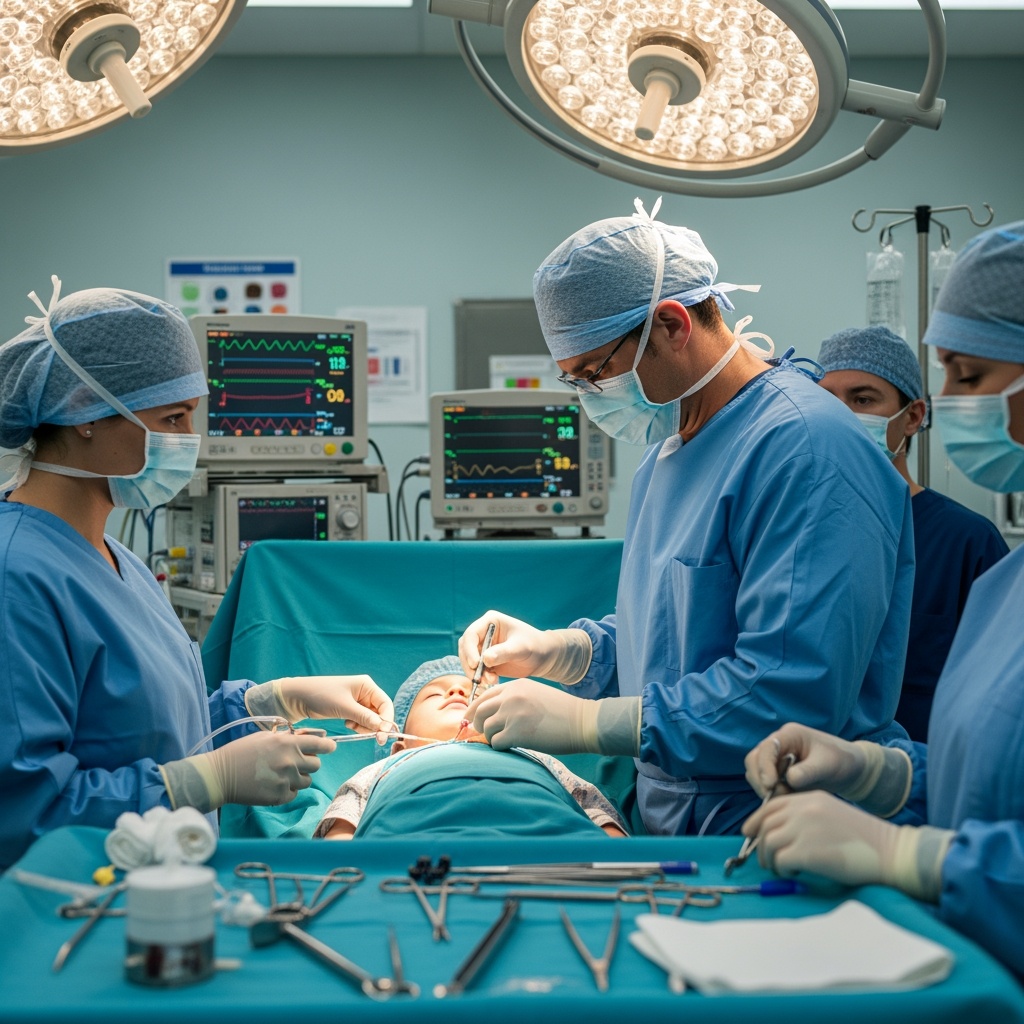
The “see one, do one, teach one” apprenticeship model means mistakes happen on real people. 

One Manikin ≠ Every Patient

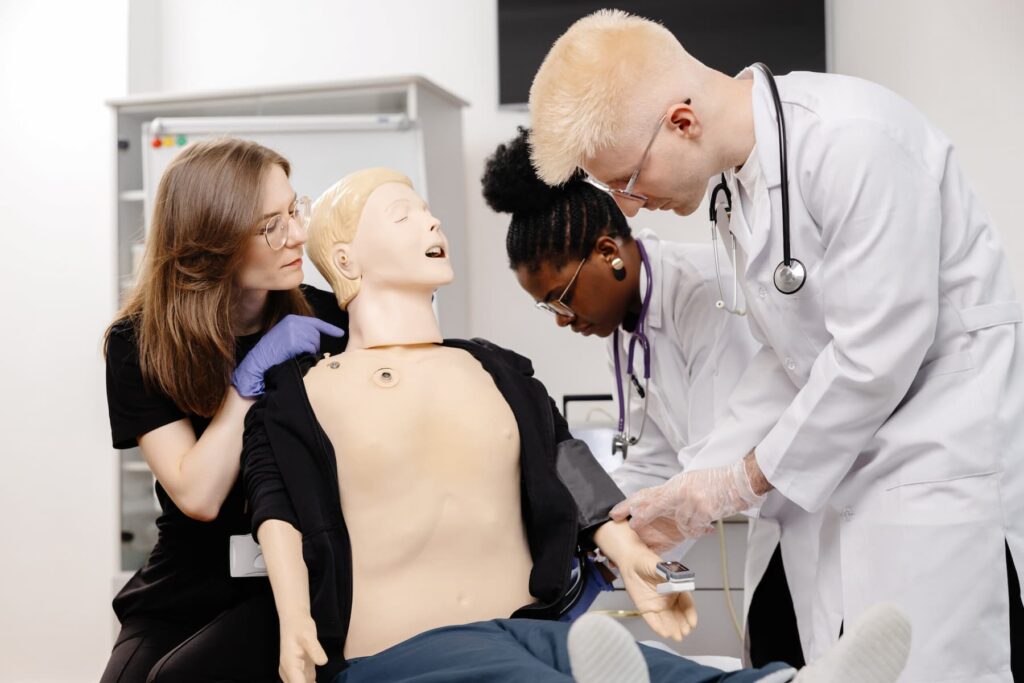
Standard manikin trainers can’t replicate clinical scenarios like obese patients, or aberrant vessel anatomy.

Partial Training, Real Patient Risk

Current simulators fail to teach key parts of the central line  procedure – forcing clinicians to learn the rest on real patients.

Without Feedback, Errors Repeat

Without standardized, automated performance analysis, clinicians repeat errors across procedures.

Introducing SOPHIA

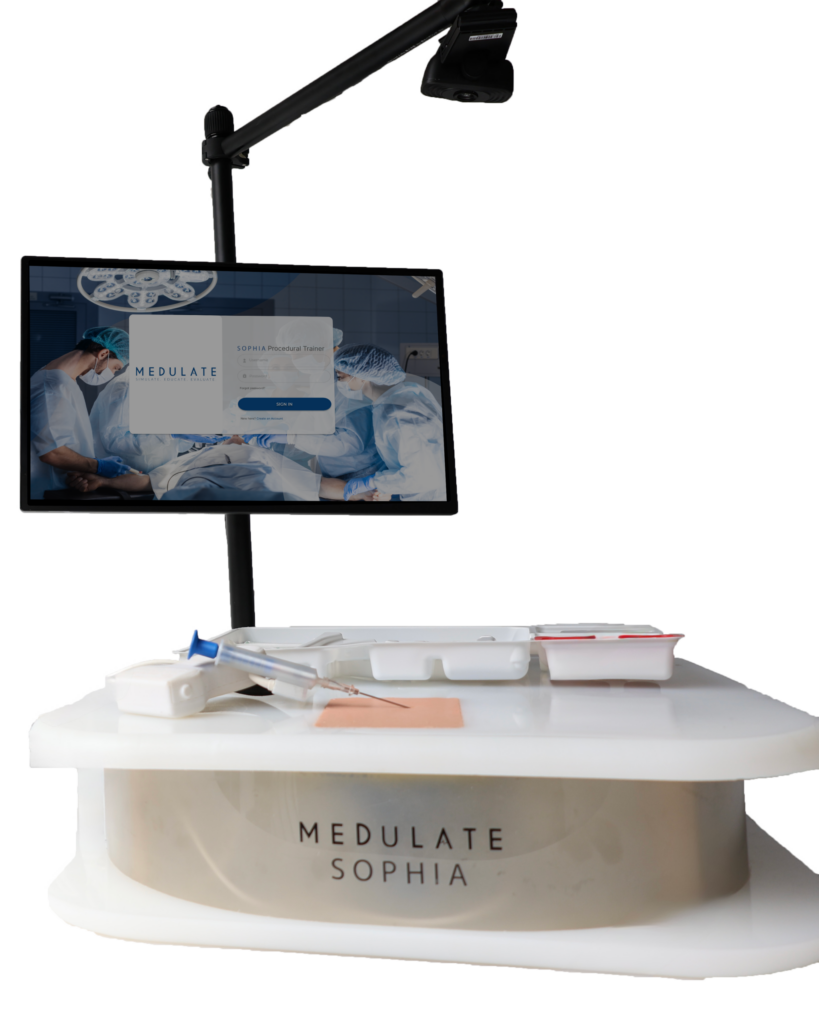
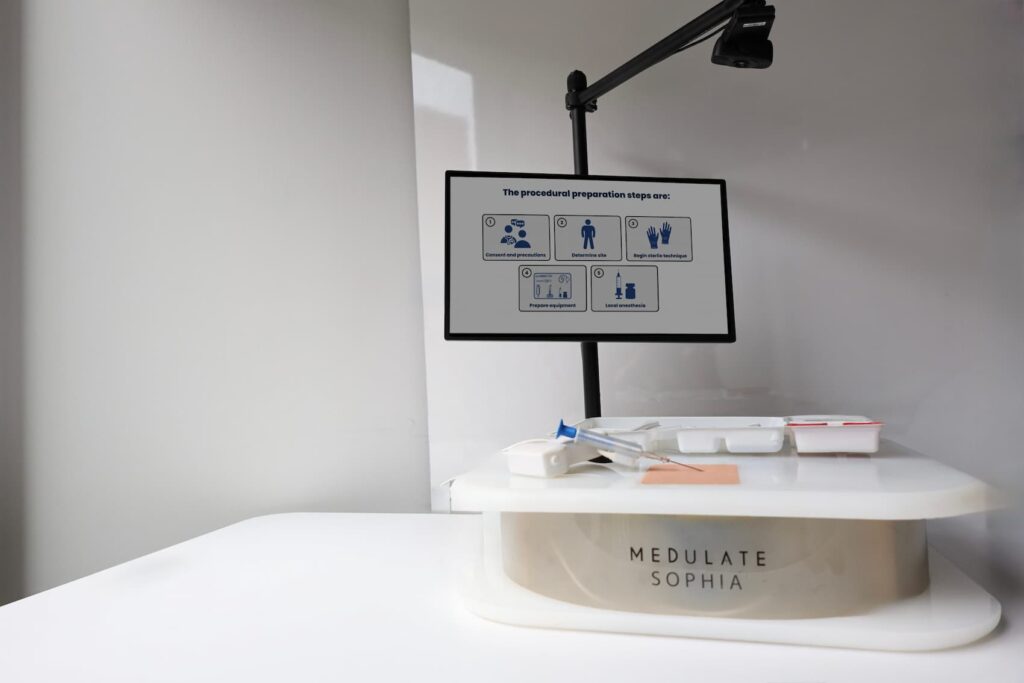
SOPHIA is a clinically validated, AI-powered simulation platform that transforms how institutions train and assess clinicians in high-risk procedures.

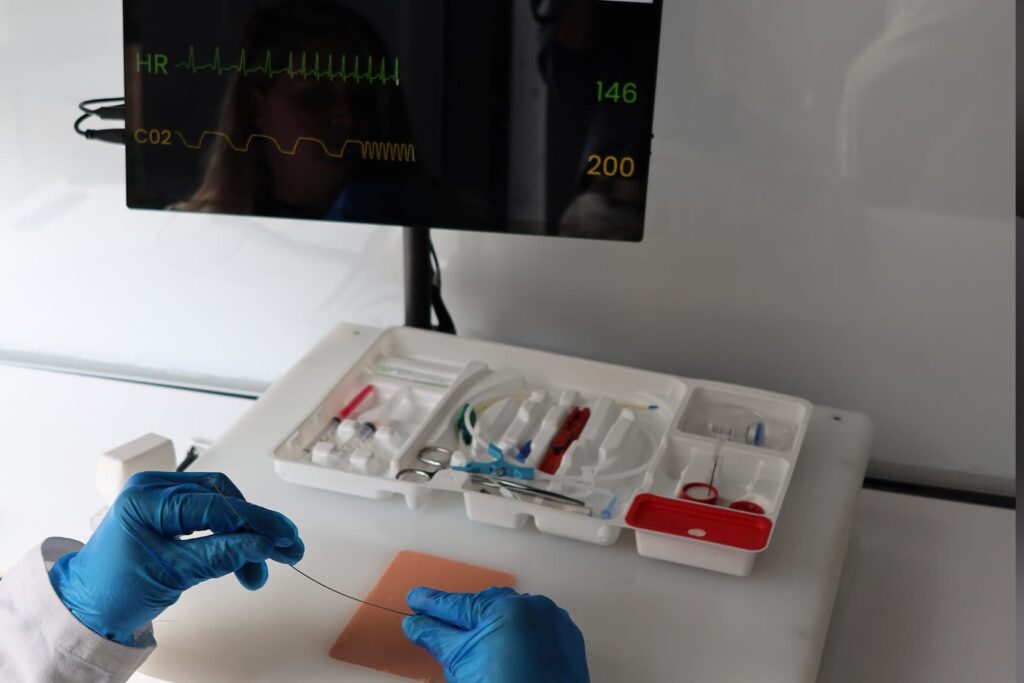
  • Complete end to end training: Whole-procedure, guided training with diverse patient profiles and scenarios
  • No need for supervision: Eliminates the needs for in-person instructors and can be taken independantally, reducing training costs and logistical barriers.
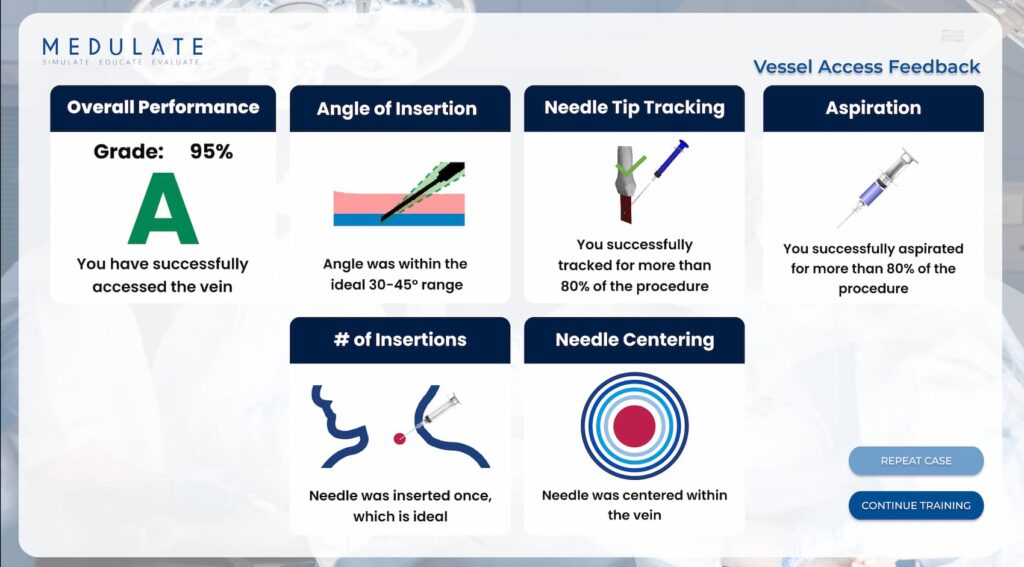
  • Personalized assessment & feedback: Integrated verification of skills before clinical practice with personalized feedback and objective proficiency assessments.
  • Backed by clinical research: Proven to reduce complications and hospital costs with 10+ years of research, 50+ peer reviewed publications and 4 patents.


SOPHIA improves clinical readiness, reduces preventable complications, and aligns with evolving reimbursement policies that no longer cover central-line-related “never” events.


Reduce Central Line Errors with SOPHIA

Fewer Mechanical Errors
0 %
Fewer Cather-Related Infections
0 %
Fewer Thrombotic Complications
0 %

Built on a Decade of Clinical Research

Researched. Validated. Published. Trusted.

  • 50+ Peer-Reviewed Publications: Over a decade of academic research validating effectiveness
  • Partnered with leading institutes: Penn State Hershey Medical Center, Cedars-Sinai Medical Center
  • NIH-Funded Development: Rigorous research standards and validation
  • 4 US Patents Granted: Proprietary technology proven in clinical practice
  • Founded by Dr. Scarlett Miller

SOPHIA: end-to-end CVC competency training and assessment

EDUCATE

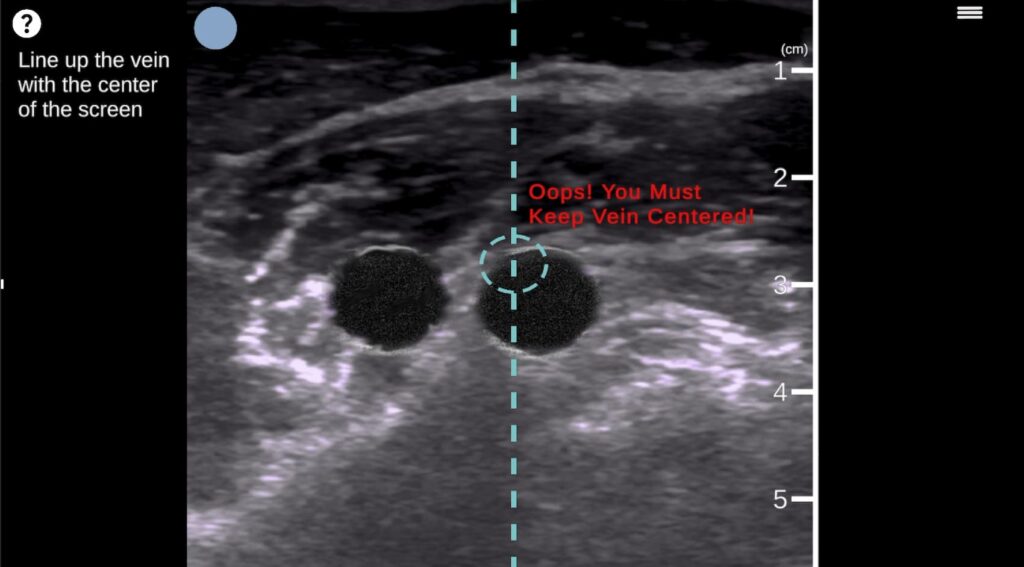
Automated whole-procedure training 

Step-by-step guided CVC instruction with real-time feedback eliminates the need for 1:1 faculty supervision, reducing instructor time by 75%.

SIMULATE

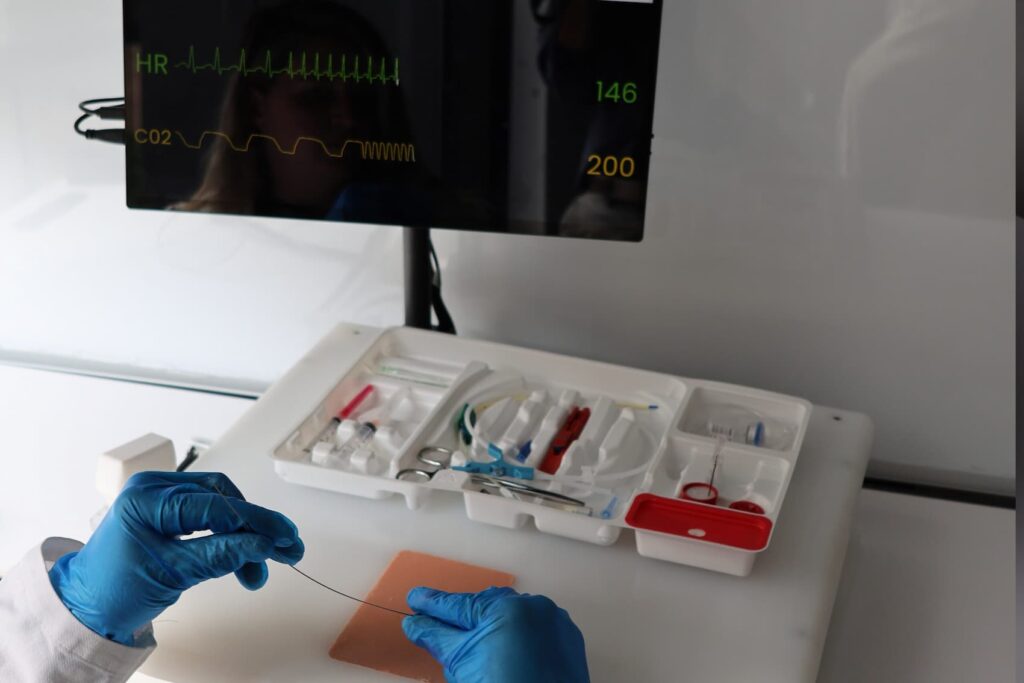
Hands-on training on 50+ Patient Anatomies 

Train on diverse body types—from geriatric to morbidly obese—with vessel variability and realistic vital signs that static manikins can’t replicate.

EVALUATE

AI-Powered Competency Reports

Automated, objective skill assessment  tracks individual progress, identifies specific gaps, and verifies readiness before clinical practice

SOPHIA Delivers end-to-end automated training with objective competency assessment that prepares clinicians for the demands of real-world care.

A Comprehensive Training Solutions for Every Healthcare Setting

Scale Training Without Scaling Faculty

Train more residents with less supervision. SOPHIA provides unlimited practice with automated assessment.

Key Benefits:

1. Reduce faculty supervision time by 75% while maintaining training quality
2. Unlimited trainee practice without consumable costs or equipment wear
3. Scalable training capacity without hiring additional instructors

Free your faculty from repetitive basic training so they can focus on complex case debriefs and advanced scenarios.

Accelerate Competency, Track Educational Progress

Document procedural competency with objective metrics. SOPHIA validates CVC skills across diverse anatomies before clinical practice.

Key Benefits:

1- Central Line training and assessment documentation with objective performance metrics
2- Faster progression to independent practice with verified skill mastery
3- Train on diverse patient anatomies before first real clinical insertion
4- Reduce attending supervision burden during clinical rotations

Train faster. Document competency. Protect patients.

Prepare APPs and NPs for High-Acuity Procedures

Build confidence and competency across all types of complex procedures. SOPHIA provides repeatable practice with immediate feedback before clinical rotations.

Key Benefits:

Train for high-acuity scenarios without risk to actual patients
1- Build procedural confidence before clinical rotations or practice
2- Standardized skill verification for program accreditation requirements
3- Cost-effective alternative to cadaver labs and consumable-heavy training

Train Competent practitioners—not just certified ones.

Verify Competency Before Patient Care

Establish documented competency during onboarding. SOPHIA provides objective baseline assessment before granting clinical privileges.

Key Benefits:

1- Verify procedural skills objectively before granting clinical privileges
2- Reduce institutional liability with defensible competency documentation
3- Standardize credentialing assessment across all new providers
4- Rapid onboarding efficiency—complete competency evaluation in 2-3 hours

Identify skill gaps before they become patient complications, before they become a liability exposure.

Limited Early Access Program Opportunities Available for 2026

Apply to be part of the Early Access Program Today